
Bottle Filling and Capping Machines: Practical Selection Factors




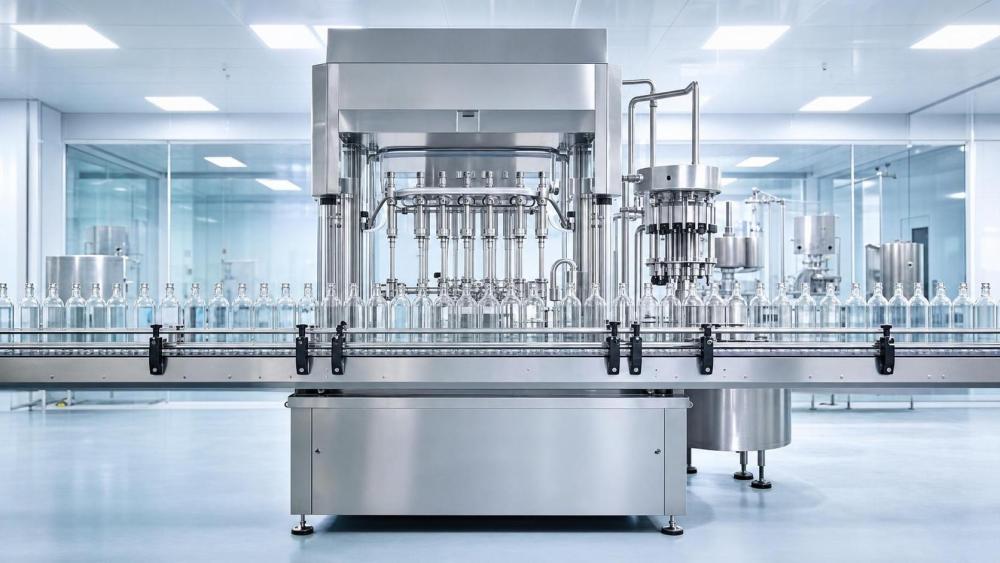
Bottle filling and capping machines sit at the point where beverage quality, container hygiene, closure performance, and line output meet. A plant may have a good product and a capable storage system, but packaging problems can still lead to product loss, complaints, unstable shelf life, or repeated operator intervention. Buyers searching for machines remplissage fûts are often comparing filling solutions across bottles, kegs, or other containers, and the practical question is how to choose equipment that fits the real production workflow rather than only a catalog capacity figure.
This article focuses on selection factors for beverage plants evaluating bottle filling and capping equipment, with attention to the same discipline that applies to keg washing and filling lines: product protection, repeatable cleaning, controlled filling, closure consistency, utility readiness, and operator-friendly changeover. The intent is not to list every possible machine type, but to give procurement teams a clear way to discuss requirements with suppliers.
A good selection process starts with product behavior and container format. Carbonated beverages, beer, cider, still drinks, wine-based drinks, and functional beverages may all require different filling approaches. Glass bottles, PET bottles, cans, and kegs also create different handling and sealing requirements. Buyers should align product, package, cleaning method, and target output before deciding which filler or capper configuration is suitable.
Start With the Product and Container
The product determines many equipment choices. Carbonated products require careful pressure and foam control. Still beverages may place more emphasis on fill accuracy, hygiene, and oxygen exposure. Products with pulp, particles, high viscosity, or temperature sensitivity may require specific valve designs or product paths. If the product changes often, cleanability and changeover time become more important than peak speed alone.
Container format is equally important. A narrow-neck bottle, wide-mouth bottle, pressure-rated keg, or reusable container changes the way filling, venting, closing, and cleaning should be arranged. Buyers should confirm container dimensions, mouth finish, cap type, closure torque or sealing requirement, and whether containers arrive clean, rinsed, sterilized, or returned from the market for washing.
For plants comparing bottle equipment alongside a keg filling machine, the shared selection logic is simple: choose the machine around the product, package, hygiene standard, and expected shift routine. Equipment that fits the process reduces avoidable troubleshooting later.
Filling Accuracy and Product Loss
Filling accuracy affects yield, label compliance, customer experience, and production cost. Underfilling creates commercial risk, while overfilling wastes product. The best filling method depends on the beverage and container. Gravity, pressure, vacuum, piston, flowmeter, and level-based filling each have different strengths. Buyers should ask suppliers why a particular method is recommended for the product rather than accepting a generic answer.
Foam behavior should be discussed early. Foaming can slow filling, reduce accuracy, contaminate bottle necks, and affect cap application. Product temperature, carbonation, filling speed, nozzle design, pressure equalization, and venting all influence foam. If the plant has had foam problems in manual or older equipment, those details should be shared with the supplier.
Accuracy also depends on stable product feed. A filler cannot perform consistently if upstream pressure, temperature, or flow changes too much. Pumps, buffer tanks, product lines, and controls should be reviewed as part of the complete filling system. In many projects, the machine is only one part of the accuracy question.
Capping and Closure Control
A bottle is not finished until the closure is applied correctly. Capping defects can lead to leaks, carbonation loss, oxygen ingress, broken caps, tilted closures, or consumer complaints. Buyers should confirm which cap type will be used, how caps are fed, how the capper controls torque or pressure, and how rejected containers are handled.
Closure performance should be checked across the full operating range, not only during a short demonstration. Cap quality, bottle finish, fill level, product foam, and conveyor stability can all affect sealing. If the plant uses several bottle sizes or cap formats, changeover tooling and adjustment repeatability should be reviewed.
Operators should also have a practical way to inspect closure results. Depending on the plant, this may include torque checks, visual inspection, leak testing, or sample retention. The equipment proposal should explain how closure quality is controlled and what the plant must verify during production.
Hygiene and Cleaning Discipline
Beverage filling equipment must be designed around cleaning. Product-contact parts, valves, nozzles, tubing, gaskets, and filling bowls should be accessible through a defined cleaning method. Some lines rely on CIP, some require manual parts cleaning, and some combine both. The key is that operators can repeat the same procedure without guessing.
Hygienic design should reduce dead corners, poor drainage, and residue traps. If the machine handles sugary products, dairy-based beverages, beer, or other sensitive liquids, cleaning discipline becomes even more important. A fast machine with difficult cleaning can create production delays and quality risk.
Buyers should request a cleaning explanation before ordering. They should ask which parts are cleaned in place, which parts are removed, what cleaning media are used, how long the process takes, and what checks operators should perform after cleaning. If the line is used for multiple products, changeover cleaning should be discussed separately.
Practical Selection Table
Changeover and Operator Workload
Changeover time can decide whether a machine is practical for a plant with multiple products or package sizes. A line that performs well during one long run may be inefficient if operators spend too much time adjusting guides, filling heads, capper tooling, conveyors, sensors, and recipes between batches. Buyers should ask for a realistic changeover explanation based on their own container range.
Operator workload matters because packaging lines are run by people, not specifications. The best equipment layout should give operators clear access to adjustment points, inspection areas, cleaning zones, and fault recovery points. If a machine requires constant intervention, the plant may lose the benefit of automation.
Training should be included in the buying conversation. Operators need to understand startup, shutdown, cleaning, adjustment, sampling, and basic troubleshooting. Maintenance teams need parts lists, lubrication points, wear-part guidance, and wiring or pneumatic documentation where relevant.
Utilities and Installation Requirements
Filling and capping equipment may require power, compressed air, water, cleaning media, CO2 or nitrogen, product pumps, drainage, and control integration. These needs should be confirmed before the machine is ordered. A plant that discovers utility gaps during installation may face delays and extra cost.
Layout should include space for operators, maintenance, product piping, cap loading, container infeed, finished product discharge, cleaning access, and waste handling. If the machine will connect to an existing line, conveyor height, speed, direction, and control signals should be checked in advance.
Export buyers should request drawings, utility lists, packing information, wearing-part lists, and operating notes before shipment. This documentation helps the plant prepare foundations, pipes, drains, and electrical connections before equipment arrives.
Procurement Checklist
- List all products, package sizes, cap types, and target batch volumes.
- Define required output per shift, not only ideal hourly speed.
- Confirm filling method, fill accuracy target, and foam-control approach.
- Review capping method, closure quality checks, and cap feeding reliability.
- Ask for a clear cleaning and changeover sequence.
- Check required utilities and site layout before confirming the order.
- Request documentation for installation, operation, maintenance, and spare parts.
Common Mistakes to Avoid
One common mistake is selecting a machine based only on speed. Speed is useful only when filling accuracy, closure reliability, cleaning, and line balance are also controlled. Another mistake is underestimating changeover. If a plant runs many SKUs, changeover can have more impact on weekly output than maximum machine speed.
Buyers should also avoid treating the capper as an afterthought. A filler can perform well while closure quality still fails. Cap feeding, torque control, bottle stability, and inspection all deserve attention. Finally, plants should avoid vague utility planning. Compressed air, water, gas, drainage, power, and controls should be checked before equipment is packed and shipped.
FAQ
How should buyers compare bottle filling and capping machines?
Compare product compatibility, filling method, closure control, hygiene design, changeover time, utilities, documentation, and line integration. Do not rely only on headline speed.
What does machines remplissage fûts imply for beverage equipment buyers?
The phrase machines remplissage fûts often points to filling equipment for keg or barrel-style containers, but the same buyer concerns apply across beverage packaging: hygiene, controlled filling, container fit, and reliable output.
Is capping quality as important as filling accuracy?
Yes. Poor closure control can cause leaks, oxygen ingress, carbonation loss, or package rejection. Capping should be evaluated as part of the complete packaging system.
What information should be prepared before requesting a quotation?
Prepare product type, package sizes, cap types, output target, cleaning method, available utilities, line layout, and changeover frequency. These details help suppliers recommend a better-matched configuration.
This article is buyer-facing guidance for beverage filling and capping equipment selection. It avoids fabricated prices, unsupported performance statistics, invented case numbers, and unverified certification claims. Final upload should be checked against the destination portal's house style and formatting rules.Editorial Review Note
Related News
- 00
0000-00
Contamination Control in Fermentation: Building a CIP and Sampling Plan That Works - 00
0000-00
How to Evaluate a Keg Dispensing Systems Supplier for Multi-Tap Draft Operations - 00
0000-00
How Isobaric Filling Technology Protects Beer Carbonation and Reduces Oxygen Pickup - 00
0000-00
How to Specify Bottle Filling Lines for Carbonated Drinks Without Sacrificing Fill Accuracy - 00
0000-00
How to Specify Turnkey Brewery Automation for Consistent Batch Quality and Labor Savings
Tags
Weekly Insights
Stay ahead with our curated technology reports delivered every Monday.