
FDA Tightens RO Brewing Water Export Rules




On July 1, 2026, the U.S. FDA updated Appendix G of the Produce Safety Rule under 21 CFR Part 112, adding a new compliance requirement for RO Brewing Water Systems exported to the United States. The change matters because it shifts water-treatment compliance from a hardware-only discussion to one that also includes real-time data logging, tamper resistance, and remote verification readiness, putting manufacturers, exporters, certification teams, and buyers on notice.
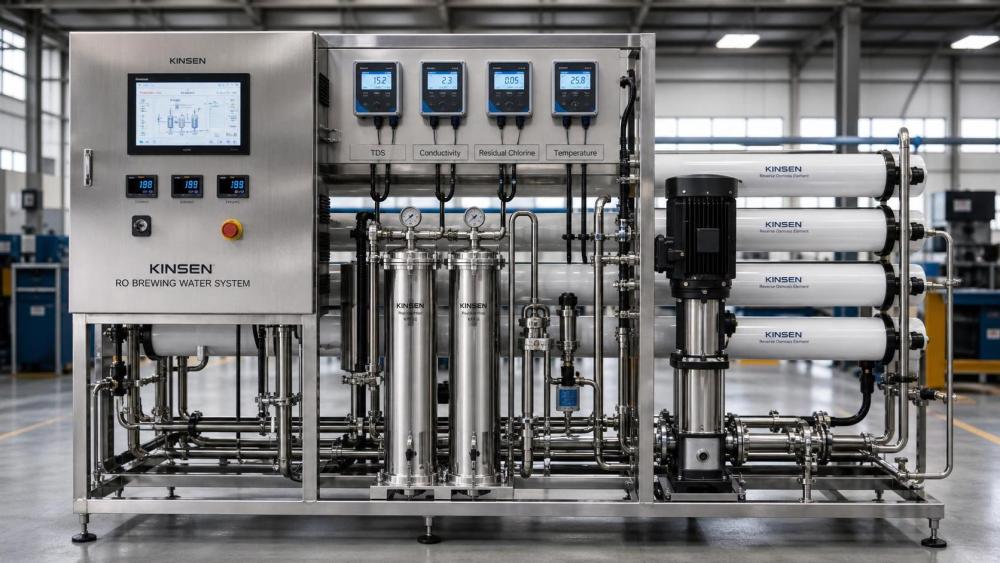
What the FDA Update Now Requires
According to the information provided, the FDA formally updated Appendix G of 21 CFR Part 112 on July 1, 2026. The update requires all RO systems used for brewing water treatment and exported to the U.S. to include a real-time audit log module covering four parameters: TDS, conductivity, residual chlorine, and temperature.
The module must be exportable and tamper-proof, and the system must also support an FDA remote verification interface. The stated direct effect of this requirement is on compliance-oriented product design and factory certification procedures for manufacturers of RO Brewing Water Systems serving the U.S. market.
Where the Immediate Pressure May Appear
Export-facing equipment manufacturers
From an industry perspective, this group is the most directly affected because the requirement applies to RO Brewing Water Systems destined for the U.S. market. The impact is likely to concentrate on product configuration, embedded logging capability, and the way export models are prepared for factory release and compliance review.
Certification and shipment preparation teams
Analysis shows that the rule change may also affect the handoff between engineering, quality, and export documentation functions. Where shipments to the U.S. are involved, teams will need to pay closer attention to whether the required four-parameter audit trail is present, exportable, and positioned as part of the certification process rather than treated as an optional feature.
U.S.-bound buyers and procurement parties
Buyers sourcing brewing water treatment systems for the U.S. market may also feel the impact through specification review and supplier communication. What deserves closer attention is whether procurement language, technical acceptance criteria, and pre-delivery confirmation now need to address audit log capability and remote verification support more explicitly.
Service and compliance support providers
Observably, service providers involved in compliance support, validation assistance, or export process coordination may need to adjust their work around system review and document readiness. The rule does not merely concern physical water treatment performance; it also introduces a compliance layer tied to traceable operational records.
What Companies Should Watch Closely Now
Whether product designs already meet the logging requirement
Companies involved in U.S.-bound exports should first verify whether current RO Brewing Water System designs already include the required real-time audit logging for TDS, conductivity, residual chlorine, and temperature. The practical issue is not only whether those parameters are monitored, but whether the log is exportable and tamper-proof as required.
How remote verification support is defined in practice
Analysis shows that one of the most important operational questions is the FDA remote verification interface. The provided information confirms that such support is required, but companies should distinguish clearly between the rule as stated and the detailed technical implementation that may need further confirmation through subsequent official wording or interpretation.
How factory certification procedures are affected
The update directly affects factory certification workflows for manufacturers exporting to the U.S. That makes it necessary to review whether certification files, pre-shipment inspection steps, and internal release procedures adequately reflect the new logging and verification elements.
How to communicate with suppliers and customers
For businesses working across supply and sales channels, it will be important to align supplier qualification, customer communication, and delivery commitments with the new requirement. This is especially relevant where systems are already in production for the U.S. market or where technical specifications were previously agreed without explicit reference to audit log functions.
Why This Looks Like More Than a Short-Term Adjustment
Observably, this update can be read as a concrete compliance change rather than a market rumor or a tentative policy signal, because the input states that the FDA formally updated Appendix G on a defined date. At the same time, it is more appropriate to understand the development as both an immediate export compliance issue and a longer-term signal that record integrity and verifiable operating data are becoming more central in market access expectations for this product category.
Analysis shows that the industry still needs continued attention on how the stated requirements will be interpreted in operational detail. The confirmed facts establish the direction of compliance, but further official clarification may still matter for implementation, validation methods, and transaction-level execution.
How the Industry May Best Read This Update
At this stage, the most balanced reading is that the FDA change has already created a clear compliance checkpoint for RO Brewing Water Systems exported to the United States. The requirement should not be treated as a general industry talking point; it has direct implications for design, certification, and export readiness.
From an industry perspective, it is more appropriate to understand this as a defined regulatory development with immediate practical relevance, while still keeping room for continued verification of how the rule will be applied in specific business processes.
Basis of This Article and What Still Needs Verification
This article is based on the user-provided news title, event date, and event summary concerning the FDA update to Appendix G of 21 CFR Part 112 on July 1, 2026. No specific official source link was provided in the input, so the exact official reference path still requires continued verification.
For this type of industry update, source categories that are usually relevant include official regulatory notices, company compliance disclosures, industry association updates, authoritative media coverage, and standard or rule-related documents. Where follow-up monitoring is concerned, the main points to watch are any further official wording, interpretive clarification, and how the remote verification requirement is applied in export and certification practice.
Related News
- 00
0000-00
Contamination Control in Fermentation: Building a CIP and Sampling Plan That Works - 00
0000-00
How to Evaluate a Keg Dispensing Systems Supplier for Multi-Tap Draft Operations - 00
0000-00
How Isobaric Filling Technology Protects Beer Carbonation and Reduces Oxygen Pickup - 00
0000-00
How to Specify Bottle Filling Lines for Carbonated Drinks Without Sacrificing Fill Accuracy - 00
0000-00
How to Specify Turnkey Brewery Automation for Consistent Batch Quality and Labor Savings
Weekly Insights
Stay ahead with our curated technology reports delivered every Monday.