
FDA Sets Final Yeast Propagation Validation Rule




On July 9, 2026, the U.S. FDA finalized guidance that raises the compliance bar for yeast propagation systems used in FDA-registered beverage facilities. The rule centers on real-time monitoring and automated data retention, but its immediate relevance extends beyond plant operations to equipment procurement, supplier qualification, and cross-border delivery decisions, especially for overseas suppliers of Yeast Propagation & Dry Hopping equipment facing customer scrutiny ahead of the October 2026 compliance threshold.
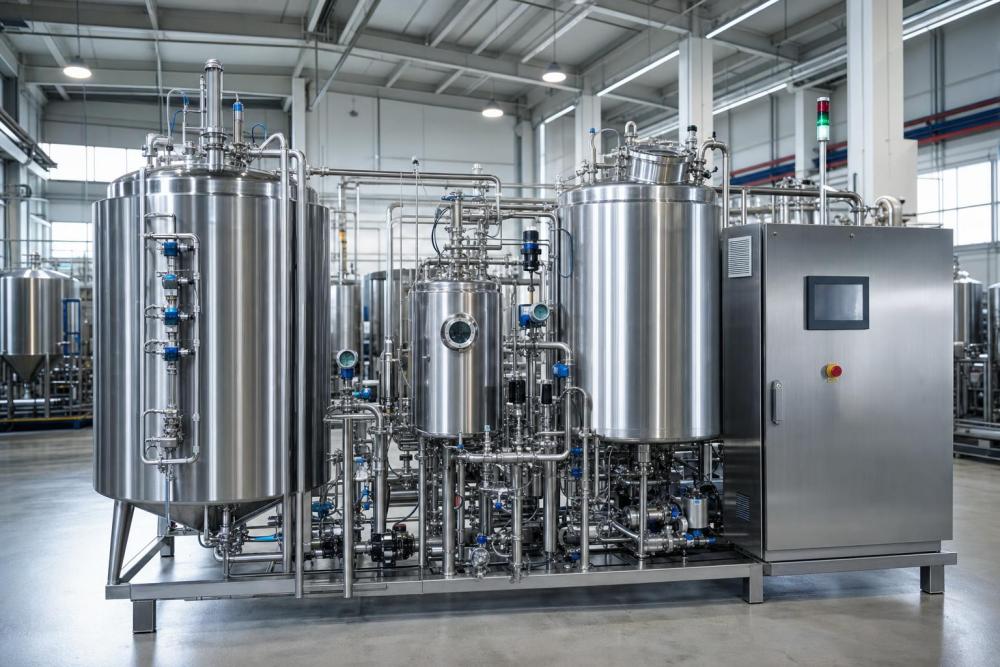
What the FDA has now confirmed
The confirmed facts are limited but commercially significant. According to the information provided, the FDA’s final guidance requires yeast propagation systems in FDA-registered beverage facilities to support real-time monitoring of temperature, dissolved oxygen (DO), pH, and viable cell count. The guidance also requires automated data retention. In addition, systems that do not have validated digital audit trails will not meet CGMP compliance after October 2026.
The same information indicates that this compliance change is expected to affect procurement decisions involving overseas suppliers of Yeast Propagation & Dry Hopping equipment.
Where the pressure is likely to appear first
Equipment sourcing may shift from hardware-only evaluation to compliance-readiness
From an industry perspective, buyers of yeast propagation systems are likely to focus more closely on whether equipment can document real-time process conditions and retain records in an automated way. For procurement teams, the issue is no longer limited to fermentation performance or mechanical configuration; it also touches system validation readiness and the presence of a digital audit trail that can stand up to CGMP expectations.
Overseas suppliers may face tighter pre-purchase review
Analysis shows that overseas suppliers of Yeast Propagation & Dry Hopping equipment could face more detailed customer questions before orders are placed. The likely impact is concentrated in quotation review, technical documentation exchange, and acceptance criteria during supplier selection. What deserves closer attention is whether suppliers can clearly address audit-trail validation expectations, rather than treating digital functions as optional add-ons.
Beverage facilities may need to reassess installed systems
For FDA-registered beverage facilities, the practical impact may fall on installed-base review and replacement planning. Observably, systems already in use could become a point of concern if they lack the required monitoring coverage or validated digital records. In business terms, this may affect maintenance planning, upgrade timing, and equipment replacement discussions linked to the post-October 2026 compliance position.
What companies should keep in view now
Separate confirmed rule text from commercial interpretation
Companies should distinguish between the confirmed requirement and broader market assumptions. The confirmed points are the monitoring parameters, automated data retention, and the CGMP consequence for systems without validated digital audit trails after October 2026. Commercial implications such as shortened bid lists or stricter supplier screening are reasonable interpretations, but they remain business responses rather than stated FDA outcomes.
Check documentation depth before discussing delivery capability
For suppliers and service providers, customer communication is likely to turn quickly toward validation-related documentation. What deserves closer attention is whether technical files, data-handling descriptions, and audit-trail-related materials are organized well enough to support buyer review. In many cases, procurement risk may be shaped as much by documentation clarity as by equipment capability itself.
Review timing against the October 2026 compliance point
Analysis shows that the October 2026 date matters not only for compliance teams but also for sales, project management, and supply-chain coordination. Companies involved in system supply or facility planning should watch how order timing, factory acceptance, installation, and customer approval discussions align with that deadline, because the commercial window for non-compliant system configurations may narrow.
Prepare for more specific buyer questions on digital traceability
For commercial teams, a practical focus is likely to be buyer questioning around how monitoring data is captured, retained, and reviewed. Even without adding assumptions beyond the provided information, it is reasonable to expect that digital traceability will become a more visible part of technical and procurement dialogue in this equipment segment.
Why this looks like more than a short-term notice
Observably, this update is better understood as a concrete compliance signal rather than a passing procedural adjustment. The guidance is already final, and it connects operating parameters with record integrity in a way that can directly influence equipment acceptance. At the same time, it is still too early to overstate the full commercial outcome, because the supplied information does not define how quickly buyers will revise specifications or how broadly replacement decisions will spread across facilities.
It is more appropriate to understand this as a confirmed regulatory requirement with developing commercial consequences. That combination is exactly why the industry needs to keep watching it.
How this news should be read at this stage
The industry significance of this development lies in its direct link between process monitoring, digital record retention, and CGMP status. For beverage facilities, equipment suppliers, and procurement teams, the update is not simply a technical note about yeast propagation; it is a compliance-linked purchasing signal. A neutral reading at this stage is that the rule has already created a clear threshold, while the full scale of procurement and supplier-response changes still requires continued observation.
Basis of this article and points for continued verification
This article is based on the user-provided news title, event date, and event summary related to the FDA’s finalized yeast propagation validation rule. For this type of development, commonly relevant source categories may include official agency announcements, company statements, industry association updates, authoritative media coverage, and standards-related documents. A specific official source link was not provided in the input, so the exact source document still needs ongoing verification. Continued attention should focus on any further official wording, implementation clarifications, and how procurement requirements are translated into supplier-facing documentation and acceptance standards.
Related News
- 00
0000-00
Contamination Control in Fermentation: Building a CIP and Sampling Plan That Works - 00
0000-00
How to Evaluate a Keg Dispensing Systems Supplier for Multi-Tap Draft Operations - 00
0000-00
How Isobaric Filling Technology Protects Beer Carbonation and Reduces Oxygen Pickup - 00
0000-00
How to Specify Bottle Filling Lines for Carbonated Drinks Without Sacrificing Fill Accuracy - 00
0000-00
How to Specify Turnkey Brewery Automation for Consistent Batch Quality and Labor Savings
Weekly Insights
Stay ahead with our curated technology reports delivered every Monday.